In a world where technology connects us instantly but emotionally distances us more than ever, today’s children are facing pressures that many adults never experienced in their own childhoods. The recent Netflix docuseries Adolescence offers a powerful and, at times, unsettling glimpse into what it means to grow up in the digital age. For parents, caregivers, teachers, and child protection practitioners, it’s a call to action: our children need us more than ever — not just to provide for them, but to truly see them.
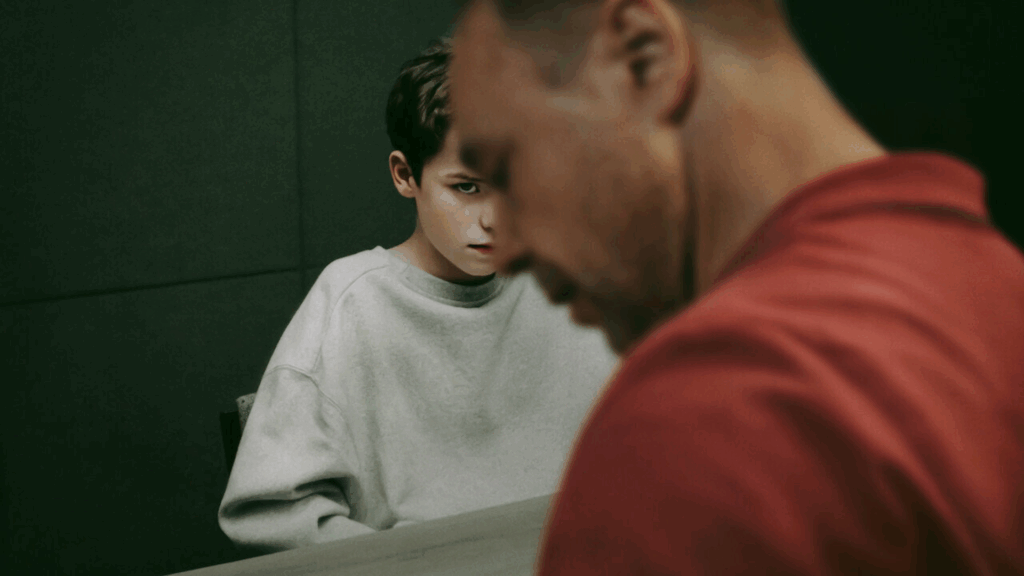
The Power of Presence and Communication
Children, especially teens, are masters at masking their emotions. They may smile when they’re hurting or brush off serious matters with a shrug. This makes open, consistent communication essential. Creating a safe space throughout childhood where a child feels heard, valued, and unconditionally accepted builds trust and helps them share more openly about what they are facing — whether it’s anxiety, peer pressure, bullying, or confusion about their identity and emotions.
Ask open-ended questions. Listen without judgement. Be present without distractions. A child who feels safe talking to their parent is far less likely to seek unsafe spaces online or hide dangerous experiences.
Monitor Without Spying: Online Awareness Matters
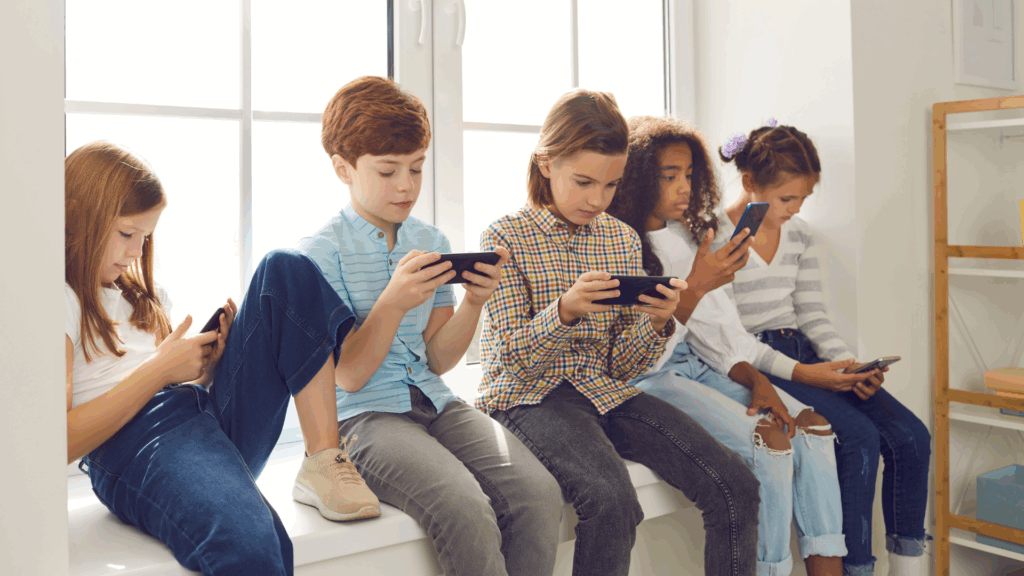
Digital platforms offer connection and creativity — but also danger. Many children are exposed to inappropriate content, cyberbullying, online predators, and social media pressures that fuel anxiety and depression. It is not invasive to check your child’s online activity — it’s responsible parenting.
Set healthy boundaries and screen time limits. Know what apps your child uses. Ask who they’re talking to online. Encourage digital literacy by discussing topics like privacy, consent, online reputation and screen addiction. You’re not trying to control their every move, but to equip them with wisdom and safety in a space that is often anything but.
There are several apps to help parents with this. Google offers a free app called Family Link, which allows you to set daily screen time limits, see what your children are doing online, and approve or block app downloads.
Recognising Signs of Struggle
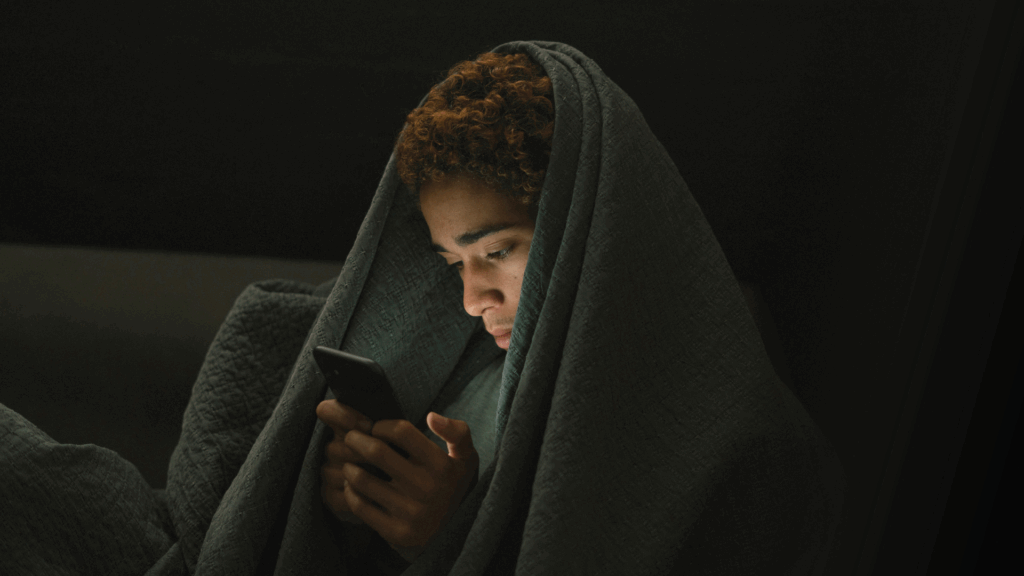
Behavioural changes are often the first sign that a child is in distress. Sudden withdrawal, declining academic performance, changes in eating or sleeping patterns, irritability, or secrecy can all signal something deeper.
Don’t ignore these signs or chalk them up to “just being a teenager.” Gentle curiosity and early intervention can make a world of difference. Whether it’s mental health support, protection from bullying, or simply needing more emotional support at home — being alert and involved can help children feel seen and supported before a situation escalates.
Too Much Screen Time = Too Little Connection
It’s not just about what children are watching — it’s about how much time they’re spending online. Excessive screen time affects sleep, emotional regulation, physical health, and relationships. It can replace the essential human connections that children need to grow into well-rounded adults.
Try implementing device-free zones or screen-free hours at home. Reconnect around the dinner table, take walks, play board games, or read together. These small, consistent efforts nurture belonging and foster real-world bonds that screens can’t replace.
A World That Moves Fast — But Children Still Need Family
At Give a Child a Family Africa, we are deeply committed to the belief that children belong in secure, loving families — not only for protection, but for their long-term emotional, psychological, and spiritual well-being. In our work with families across KwaZulu-Natal and beyond, we see every day the difference that informed, loving parenting can make.
Let’s remember: being involved in your child’s life doesn’t mean perfection — it means presence. Children don’t need perfect parents. They need engaged ones.
If you or someone you know needs support with parenting, child behaviour, or online safety, reach out to a trusted professional or contact us at Give a Child a Family Africa. You’re not alone — and neither should your child be.



0 Comments