The recent harrowing cases of young children like Cwecwe and Joslin Smith have cast a stark light on the vulnerabilities faced by children in South Africa. These incidents not only underscore the urgent need for robust child protection mechanisms but also highlight the pivotal role that timely reporting plays in safeguarding our nation’s youth.
The Cases of Cwecwe and Joslin Smith
Cwecwe, a seven-year-old girl from the Eastern Cape, endured a traumatic experience when she was allegedly raped within her school premises. This incident has ignited widespread outrage and prompted calls for systemic reforms in child protection within educational institutions. Notably, in the past year alone, twenty-two educators in the Eastern Cape were suspended for serious misconduct involving learners, with cases ranging from sexual assault to rape.
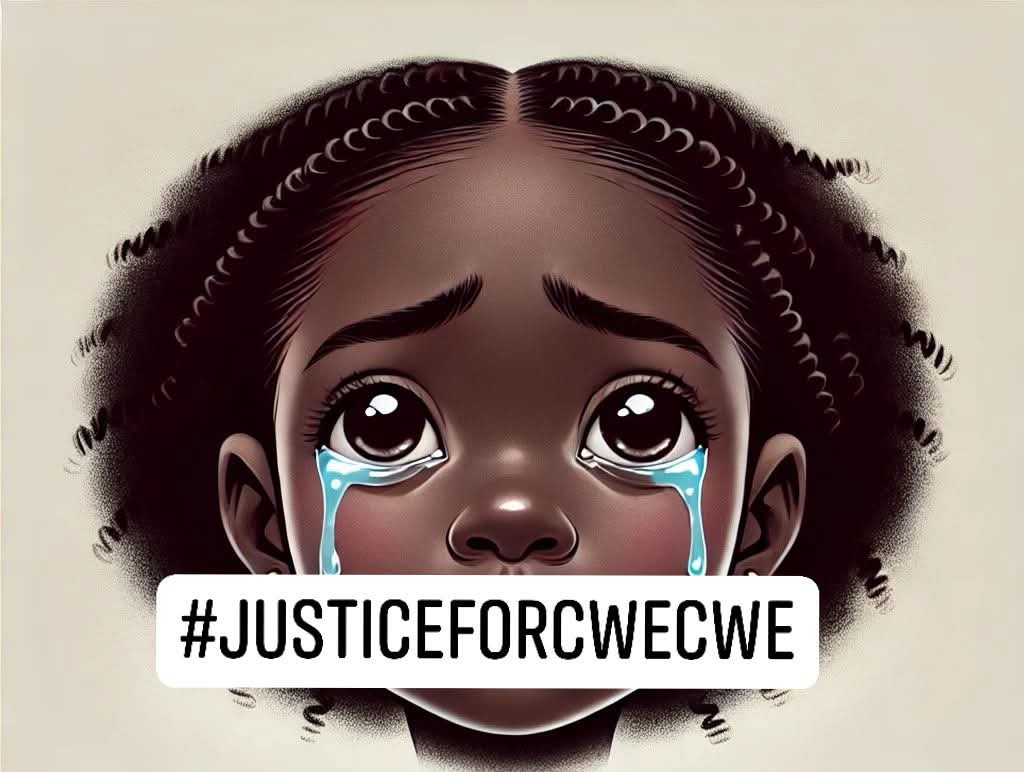
Similarly, the case of six-year-old Joslin Smith has gripped the nation. Joslin was allegedly kidnapped and trafficked, with court proceedings revealing distressing details about her ordeal. The trial has brought to the forefront the heinous realities of child trafficking and the imperative for vigilant community and legal responses.
The Role of Give a Child a Family Africa in Child Protection
Give a Child a Family Africa (GCF) is a child protection organisation committed to ensuring that children grow up in safe, nurturing families rather than institutions. GCF works to prevent family breakdown, provide training for foster and emergency safety parents, and advocate for children’s rights at both community and policy levels.
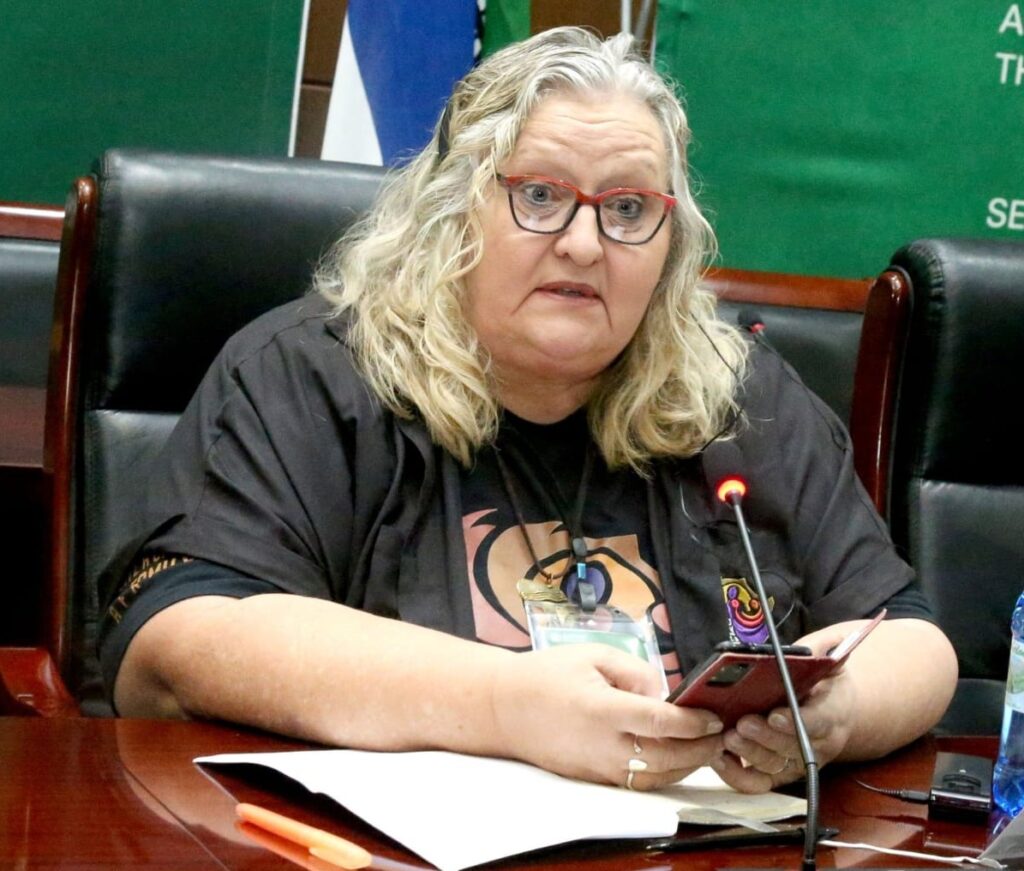
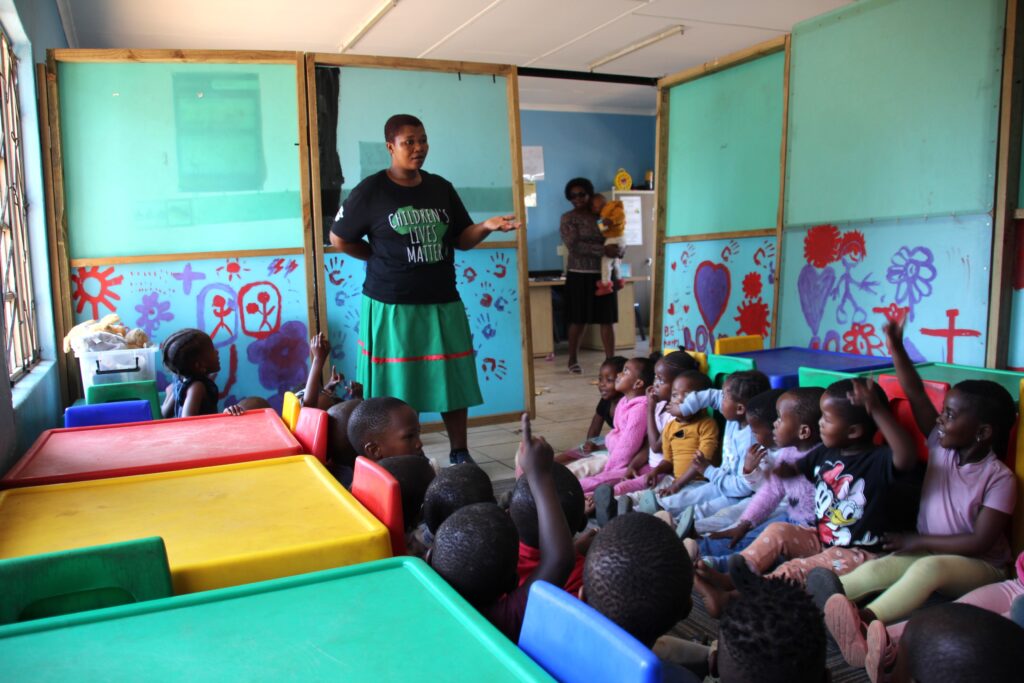
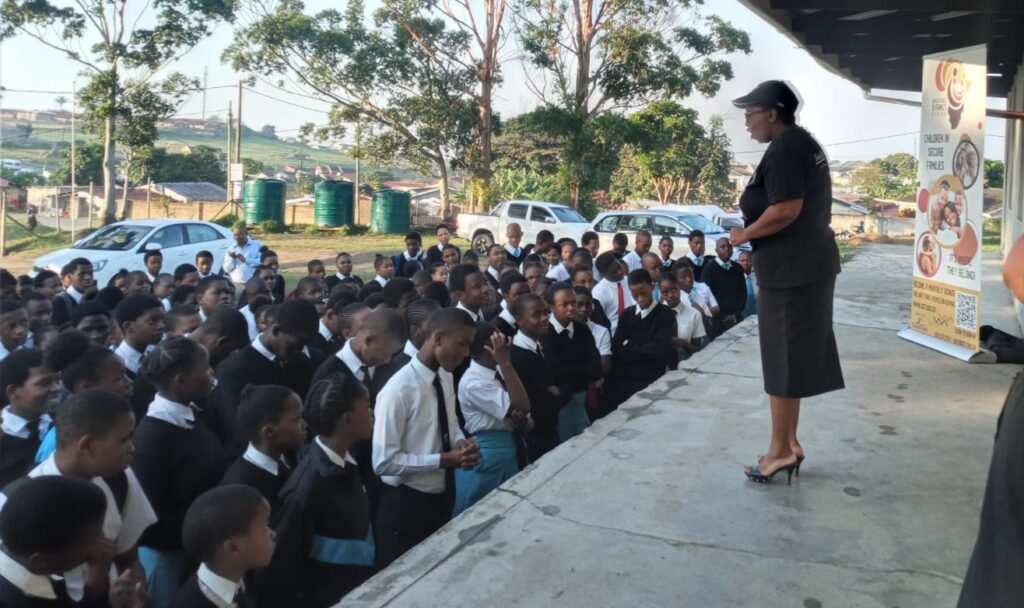
One of the key areas of GCF’s work is child protection awareness campaigns. The organisation runs programmes in schools to educate children, teachers, and parents on child safety, recognising abuse, and the importance of reporting suspected cases. By equipping communities with knowledge, GCF empowers them to be proactive in identifying and addressing child abuse before it escalates.
Additionally, GCF provides training for social workers and other child protection professionals, ensuring they have the skills and resources needed to respond effectively to cases of abuse and neglect. The organisation also works closely with government and civil society partners to strengthen South Africa’s child protection systems.
The Legal Framework for Reporting Child Abuse in South Africa
South Africa’s legislative landscape mandates the reporting of child abuse to ensure swift intervention and protection. The Children’s Act of 2005 specifies that professionals such as teachers, medical practitioners, social workers, and religious leaders are legally obligated to report any reasonable suspicion of child abuse or neglect to the relevant authorities.
Furthermore, the Act empowers any individual who suspects that a child is being abused to report such concerns to a police official, social worker, or organisations like Child Welfare. This inclusive approach ensures that child protection is a collective societal responsibility.
The Importance of Timely Reporting
Timely reporting of suspected child abuse is paramount. Early intervention can prevent further harm, provide necessary support to the victim, and facilitate the apprehension and prosecution of perpetrators. Delays or failures in reporting not only endanger the child but may also result in legal consequences for mandated reporters who neglect this duty.
Steps to Report Suspected Child Abuse
- Immediate Action: If a child is in immediate danger, contact local law enforcement or emergency services without delay.
- Document Observations: Record any signs, disclosures, or indicators of abuse. This documentation can be crucial for investigations.
- Complete the Necessary Forms: In South Africa, Form 22 is utilised for reporting abuse or deliberate neglect. This form should be accurately completed and submitted to the Department of Social Development or a designated child protection organisation.
- Engage with Child Protection Services: Reach out to local child protection services, such as Child Welfare South Africa or Give a Child a Family Africa, to report the abuse and seek guidance on subsequent steps.
- Maintain Confidentiality: Protect the identity and dignity of the child by ensuring that information is shared only with authorised personnel.
A Collective Responsibility
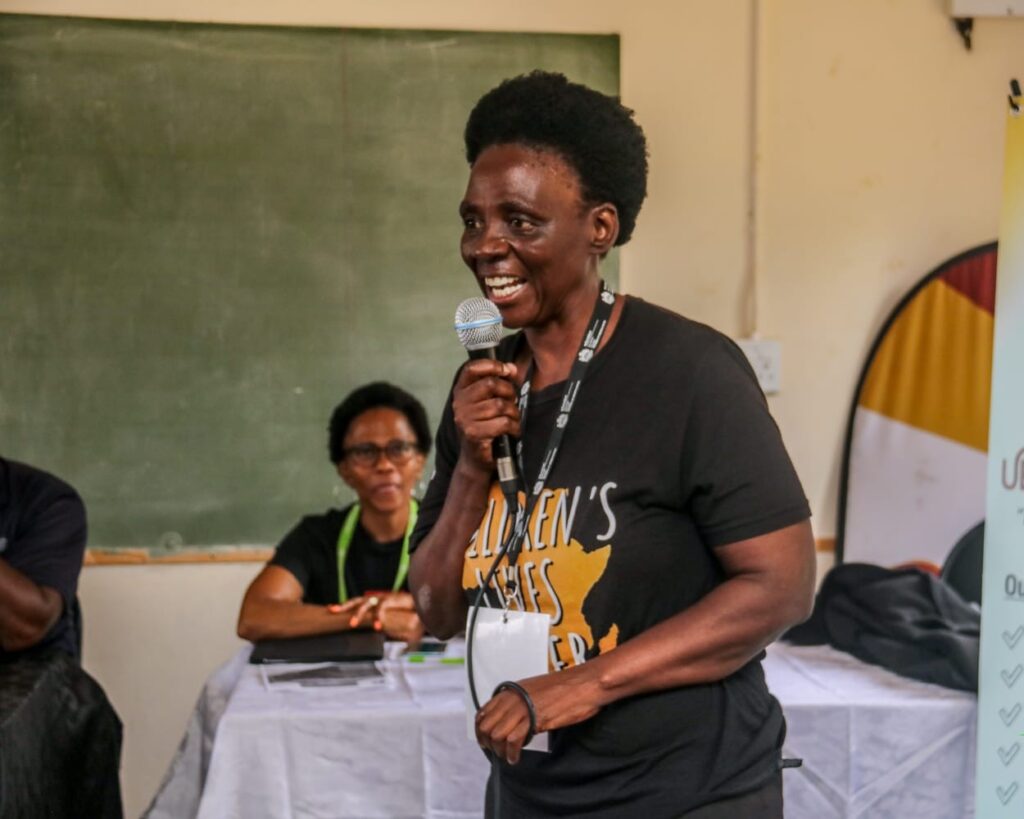
Protecting children is not solely the duty of professionals; it is a societal obligation. Communities must foster environments where children feel safe to express concerns and where adults are vigilant and proactive in recognising and addressing signs of abuse. Educational programmes and awareness campaigns, such as those run by GCF, play a crucial role in empowering communities with the knowledge and tools necessary to act decisively in the face of suspected abuse.
Conclusion
The distressing experiences of children like Cwecwe and Joslin serve as poignant reminders of the vulnerabilities that many young individuals face daily. By understanding the legal mandates, recognising the signs of abuse, and committing to prompt reporting, we can collectively create a safer environment for our children.
Organisations like Give a Child a Family Africa are at the forefront of this fight, working tirelessly to protect children and promote family-based care. However, child protection is a shared responsibility, and every individual has a role to play. Let us stand united in our resolve to protect the innocence and well-being of South Africa’s future generations.


0 Comments