Introduction
At GCF, we have always championed the importance of family life for children. Our mission is to ensure that childhood is not spent in Child and Youth Care Centres, devoid of the enriching experiences of family. Children under our care often return to rehabilitated families, and those who cannot are placed in approved foster families. We understand the pivotal role parents play in a child’s life, whether they are biological parents or caregivers. However, the extent of this role is often underestimated.
The Power of Parenting
Children who receive sensitive care and have parents who are available, accessible, and flexible from the earliest stages of life develop secure attachments. They feel understood, accepted, and valued, and they are guided in making choices. This nurturing environment naturally boosts their self-esteem, self-awareness, and their ability to manage thoughts, feelings, and behavior, thus enabling them to build positive relationships both within and outside the family.

Effective Communication
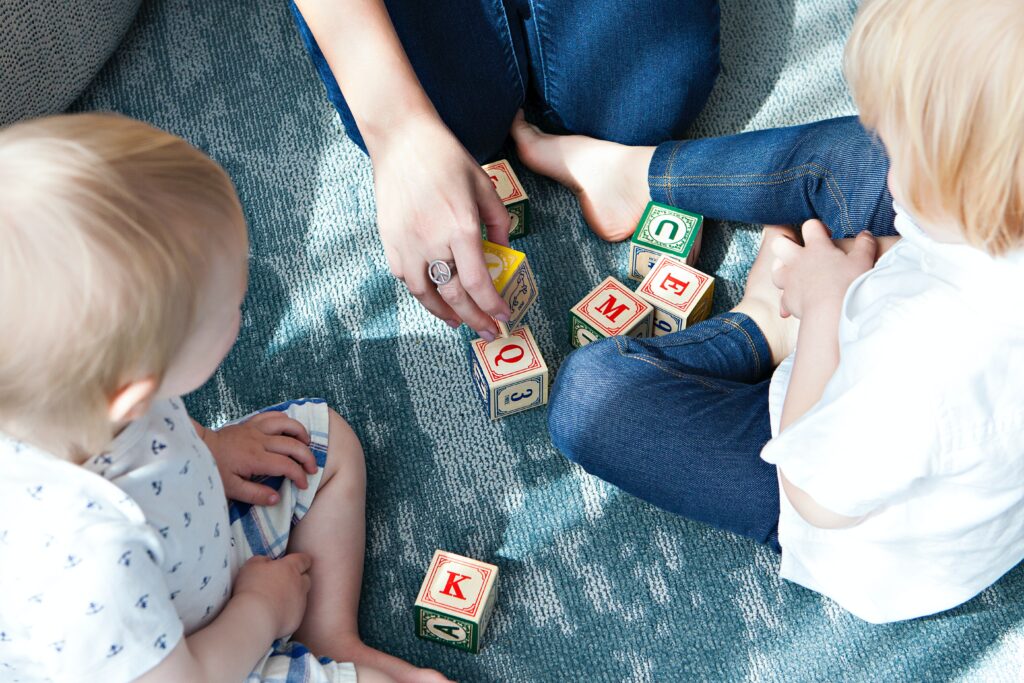
In the realm of parenting, communication is the linchpin. It’s essential to note that communication doesn’t always require words; actions often convey more than speech. Giving, writing a note, sharing drawings, playing, and listening to stories together are all forms of communication. Moreover, body language and emotions convey messages far beyond what words can express.
Addressing Difficult Topics
Sometimes, communication becomes challenging, especially when discussing sensitive topics like death, money, religion, sex, drugs, and alcohol. Avoiding these conversations is not the solution. It’s best to start early, in a basic and age-appropriate manner that can be built upon as children grow older and more mature. If parents avoid these discussions, children are likely to seek information, potentially misinformation, from their peers or the media. However, if parents initiate these conversations, children are more likely to feel comfortable approaching them with their concerns and questions.
Tips for Effective Parent-Child Communication:
- Designate Talking and Listening Time: Family meals, free from distractions like TV and cellphones, provide an excellent opportunity for meaningful conversations.
- Show Undivided Attention: Demonstrate your complete focus when interacting and conversing with your children. Put away cellphones and avoid TV distractions.
- Discuss Everyday Matters: Engage in discussions about daily experiences. Regular communication makes it easier to tackle more challenging topics when they arise.
- Encourage Emotional Expression: Create an environment where all feelings are welcome. This helps children develop a rich “feeling vocabulary.” Ensure that you’ve calmed down before discussing something that has upset you.
- Non-Verbal Communication: Pay attention to your child’s body language and respond to their non-verbal cues.
- Involve Them: Encourage your children to participate in conversations by asking open-ended questions like, “What do you think about that?”
Conclusion
Effective communication between parents and children is paramount, which is why GCF has incorporated this topic into many of our parent training programs. Good two-way communication fosters stable and healthy family relationships—the very essence of what we strive for, one family at a time. Remember, as a parent, you have an incredible impact on your child’s development and well-being. Embrace your role with love, patience, and open communication, and you’ll be nurturing the foundation for a bright future for your child.